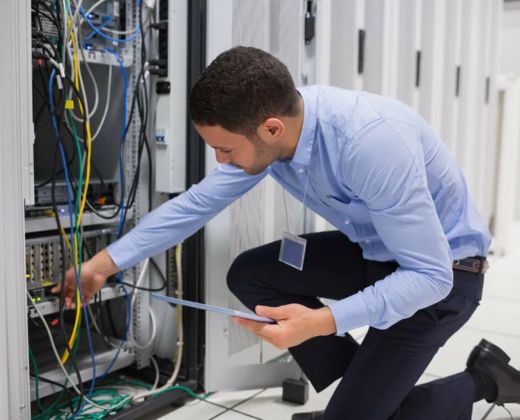




In today’s workplace, businesses depend on Best Network Connectivity Solutions to keep communication, collaboration, and productivity running smoothly. With more employees working from home and remote teams, having a secure, reliable, and fast network is more important than ever. Whether it’s connecting remote offices or managing multiple locations, the right network setup can make a big difference in how well a business runs. This blog covers the best strategies, tools, and solutions for offices and remote teams to stay connected in a way that is both efficient and secure.
Why Network Connectivity Is Important for Modern Businesses
With employees working both in the office and remotely, companies need strong network setups to handle a lot of devices, high user traffic, and sensitive information. Poor network connections can lead to:
- Lower productivity
- Issues with communication
- Security risks
- Delays in completing projects
Investing in good networking solutions for hybrid work environments helps keep operations running smoothly, ensures data stays safe, and allows teams to work together effectively from anywhere.
Key Parts of Network Connectivity for Offices and Remote Teams
1. Secure and Reliable Remote Office Connectivity
Remote teams need safe ways to access company networks.
This includes:
- Virtual Private Networks (VPNs) to protect data during transmission
- Firewalls and advanced security systems
- Bandwidth management to prevent network slowdowns
- Back-up connections to avoid service interruptions
Secure remote access lets employees work safely from any location, accessing files, apps, and communication tools without risk.
2. Networking for Hybrid Work Models
Hybrid work combines in-office and remote teams.
Good network solutions for hybrid setups focus on:
- Cloud-based platforms for team communication
- Easy integration of office and remote devices
- Scalable networks that can change with the number of employees
- Tools to monitor and maintain network performance
These solutions help businesses run smoothly without sacrificing productivity or security.
3. Communication Tools for Remote Teams
Communication is crucial for remote and hybrid teams. Dependable tools and strategies include:
- Video conferencing apps like Zoom or Microsoft Teams
- Instant messaging tools such as Slack or Teams Chat
- Project management software for tracking tasks and deadlines
- Secure file-sharing services with access controls
Using these tools along with proper network setups ensures teams can work well together and manage tasks efficiently.
4. Remote Site Connectivity for Business
Many companies have multiple locations or field offices.
Good remote site connectivity ensures:
- Easy management of all network locations from one place
- Fast and secure data transfer between sites
- Consistent access to company resources for all offices
- Cost-effective solutions that reduce interruptions
This is especially important for businesses with teams in different areas or those that need real-time access to information.
Types of Network Connectivity Solutions
- Wired Connectivity: Reliable LAN connections for offices needing stable, high-speed internet.
- Wireless Connectivity: WiFi options for flexible and mobile setups in offices and remote sites.
- Cloud Networking: Scalable solutions for hybrid teams, allowing secure access from anywhere.
- SD-WAN (Software-Defined Wide Area Network): Optimized routing and backup systems for multi-location networks.
- VPN and Security Solutions: Safeguard company data and ensure compliance with industry standards.
These solutions are tailored to meet the needs of both in-office and remote environments.
Benefits of Professional Network Connectivity
- Improved Productivity: Quick and reliable connections help employees finish tasks faster.
- Enhanced Security: Encrypted networks and secure access prevent data leaks and cyber attacks.
- Scalability: Businesses can grow without worrying about network limits.
- Reduced Downtime: Backup systems and professional monitoring keep networks running smoothly.
- Better Collaboration: Teams can work together easily, no matter where they are, which improves project outcomes.
Best Practices for Remote and Hybrid Network Connectivity
- Regular Network Audits: Keep systems updated and optimized for current needs.
- Bandwidth Management: Give priority to important apps and workflows.
- Employee Training: Teach teams how to use secure access, VPNs, and handle cybersecurity.
- Cloud Solutions: Allow remote access to essential tools and files.
- Professional Installation and Support: Work with experts for setup, monitoring, and troubleshooting.
By following these best practices, businesses can create a strong, secure, and efficient network that works well for both offices and remote teams.
Choosing the Right Network Connectivity Provider
When picking a provider for network solutions, look for:
- Expertise in handling hybrid and remote work environments
- Ability to offer secure and reliable remote office connections
- Experience with cloud networking and SD-WAN technologies
- 24/7 monitoring and support
- Cost-effective options that can grow with your business
A good provider helps your business focus on growth while keeping your connections smooth and secure.
Conclusion
Good Best Network Connectivity Solutions are no longer optional they are a must for modern businesses. From secure remote access to reliable connections for multiple locations, modern networking ensures productivity, security, and collaboration. By using the right communication tools and working with professional services, companies can enjoy seamless operations, secure networks, and scalable infrastructure. Whether you have a hybrid office, multiple locations, or a fully remote team, investing in quality network solutions is key to long-term growth and success in the years to come.