


Switching to fiber internet can feel like a big upgrade — and in many ways, it is.With promises of super-fast speeds, smoother streaming, and better reliability, fiber-optic internet has quickly become the top choice for home and business connections.But before you decide to switch, there are some important things to think about.From installation needs to cost and availability, understanding how fiber works — and whether it’s right for you — can help you avoid surprises and make a smart, informed choice.
1. Understand What Fiber Internet Actually Is
Fiber internet uses fiber-optic cables made of thin glass or plastic strands to send data as light signals.
Unlike DSL or cable internet, which use copper wiring, fiber offers much faster and more consistent performance.
The main difference?
Speed and symmetry.
Many fiber plans offer symmetrical speeds — meaning your upload and download speeds are the same.
This is especially helpful for:
- Remote workers
- Content creators
- Online gamers
- Households with many users
- People who use video conferencing and cloud storage
If your current internet struggles during busy times, fiber can greatly improve your performance.
2. Check Availability in Your Area
One of the most important things to know is that fiber internet is not available everywhere.
While coverage is expanding, rural and smaller towns may still have limited access.
Before getting excited about special offers, check:
- Which providers offer fiber in your area
- Whether it’s true fiber-to-the-home (FTTH) or partial fiber (fiber-to-the-node)
- How long the installation might take
Some providers advertise “fiber-powered” services that still use copper lines.
True fiber-to-the-home delivers the best performance.
3. Compare Costs Beyond the Monthly Price
Fiber internet is often competitively priced, but there may be extra costs to consider:
- Installation fees
- Equipment rental fees (modem/router)
- Contract commitments
- Early termination fees
- Price increases after promotions
While fiber can offer better long-term value because of its reliability and speed, always read the details.
Ask if the rate is fixed or temporary.
In many areas, fiber pricing is now similar to high-tier cable plans — but with better performance.
4. Prepare for Installation Requirements
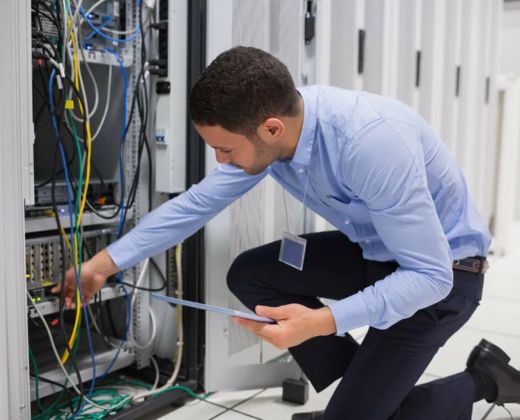
Switching to fiber may require professional installation.
Unlike cable internet, fiber often involves:
- Running a fiber line directly to your home
- Installing an Optical Network Terminal (ONT)
- Possible drilling or minor exterior wall work
Most installations are simple and can be done in a few hours, but it’s important to schedule time and have someone at home.
If you live in an apartment or HOA community, check if approval is needed before installation.
5. Evaluate Your Speed Needs Realistically
Fiber offers speeds ranging from 100 Mbps to multi-gigabit plans.
But do you really need 1 Gbps or higher?
Here’s a simple breakdown:
2 Gbps+: Best for advanced users, large families, and content creators
100–300 Mbps: Good for small households and streaming
500 Mbps: Great for families with multiple devices
1 Gbps: Ideal for heavy streaming, gaming, and remote work
6. Consider Your Upload Speed Requirements
One major benefit of fiber internet is having symmetrical upload speeds.
This is more important than most people realize.
Upload speed affects:
- Video calls (Zoom, Teams, Google Meet)
- Uploading large files
- Cloud backups
- Streaming on platforms like Twitch or YouTube
If you work from home or often share big files, fiber’s upload performance can be a big improvement.
7. Check Equipment Compatibility
Some fiber providers require specific routers or gateways.
While you may be able to use your own router, it must work with fiber speeds.
Questions to ask:
- Is a modem included?
- Can I use my own router?
- Does the router support WiFi 6 or WiFi 7?
Upgrading your router can greatly improve your home WiFi performance, especially with gigabit fiber.
8. Understand Reliability Benefits
Fiber is less affected by:
- Weather conditions
- Electrical interference
- Signal loss over distance
This means fewer outages and more consistent speeds — especially during busy times when cable networks may slow down.
9. Review Contract Terms Carefully
Some fiber providers offer no-contract plans, while others require 1–2 year agreements.
Before switching, make sure to check:
- Contract length
- Early cancellation fees
- Data caps (most fiber plans don’t have these)
- Price lock guarantees
Most fiber plans offer unlimited data, which is great for streaming and smart home users.
10. Think About Long-Term Value
Fiber internet isn’t just about today’s speed — it’s about future-proofing your home.
As technology evolves, homes increasingly rely on:
- Smart devices
- 4K and 8K streaming
- Cloud gaming
- Remote work tools
- Virtual reality applications
Fiber supports growing bandwidth needs without requiring major upgrades.
11. Compare Fiber to Your Current Service
Before making the switch, ask yourself:
- Does my current internet slow down often?
- Do video calls buffer or drop?
- Is my household using more devices?
However, if your current connection meets your needs and fiber is much more expensive, upgrading might not be urgent.
12. Look for Customer Reviews and Support Quality
Speed isn’t everything.
Good customer support matters.
Check:
- Local reviews
- Service reliability complaints
- Installation experiences
A fast network won’t help if customer service is hard to reach when you need help.
Final Thoughts: Is Switching to Fiber Internet Worth It?
Switching to fiber internet services can greatly improve your online experience.
Faster speeds, better reliability, symmetrical uploads, and future-ready technology make it one of the best connectivity options available today.
However, the right decision depends on:
- Availability in your area
- Your household’s internet use
- Budget and contract flexibility
If you rely heavily on streaming, gaming, remote work, or smart home technology, fiber is often worth the investment.
Take time to compare plans, understand the terms, and evaluate your actual needs.
A well-informed switch can provide years of seamless connectivity.